Do you find yourself smiling with your lips closed in photos because of crooked or uneven teeth? Many adults feel the same way, and two treatments tend to come up in their research: Invisalign and veneers. Both can improve the look of your smile, but they work in different ways. Understanding those differences before you visit a dentist in Leduc can help you ask better questions and set realistic expectations.
Understanding the Difference Between Invisalign and Veneers
Invisalign and veneers serve different purposes when it comes to improving your smile. Invisalign corrects your teeth’s alignment, while veneers improve their overall appearance.
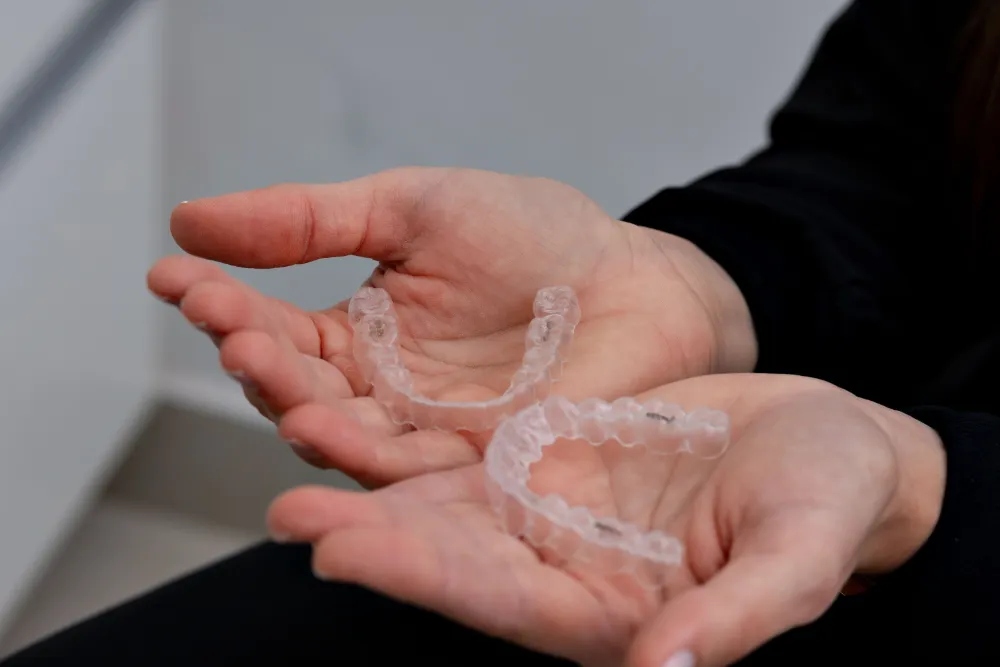
Invisalign uses clear, removable aligners to gradually straighten your teeth. Veneers, however, are thin shells, usually made of porcelain, that fit over the front of your teeth to improve their colour, shape, and size.
The choice depends on what you want to change. If your teeth are crooked or misaligned, Invisalign may be a good fit. If you’re unhappy with their appearance, veneers may be worth considering.
How Invisalign Works
Your Invisalign treatment starts with a digital scan of your teeth, which creates a personalized series of aligners. Each new set gradually moves your teeth and is typically replaced every 1 to 2 weeks.
For best results, wear aligners 20 to 22 hours a day and remove them only for meals, drinks other than water, and oral hygiene.
Invisalign can help address concerns such as:
- Crowded or overlapping teeth
- Gaps between teeth
- Teeth that are turned or tipped
- Certain bite issues
Many adult cases take around 12 to 18 months, while milder cases may finish sooner. Afterwards, wearing a retainer helps keep your teeth from drifting back.
If you’re considering Invisalign in Leduc, one appealing advantage is that the treatment works with your natural teeth rather than covering them.
How Veneers Work
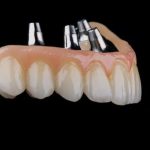
Veneers are a cosmetic treatment. They sit over the front of your teeth like a new outer layer.
Getting veneers usually takes at least two visits. At your first appointment, the dentist prepares your teeth, takes impressions or scans, and may place temporary veneers. Once the permanent ones are ready, you’ll come back to have them fitted and bonded to your teeth.
Veneers can help improve the look of:
- Stained teeth that don’t respond to whitening
- Chipped, cracked, or worn edges
- Teeth that are small or irregularly shaped
- Small gaps between front teeth
Because enamel cannot regenerate, veneer treatment is irreversible. However, porcelain veneers can last 10 to 15 years or more with proper care.
Can Veneers Straighten Teeth?
Veneers can’t physically straighten teeth. They don’t change the position of your teeth or their roots. They can create the appearance of a straighter smile when misalignment is mild.
For example, a veneer can mask a slightly rotated tooth. This approach is sometimes called “instant orthodontics,” but the name is misleading because the teeth underneath stay where they were.
Veneers also have limits:
- They don’t correct bite problems such as overbites or crossbites.
- They may require more enamel removal when teeth are significantly crowded.
Is Invisalign or Veneers Better for Crooked Teeth?
For most patients with crooked teeth, Invisalign is the more conservative choice. It addresses the source of the problem: where your teeth sit. Straighter teeth can also be easier to clean, which may help lower the risk of plaque buildup.
Veneers may be a good option when misalignment is minor, and you also want to change tooth colour, shape, or size.
Here’s a general way to compare them:
- Invisalign may be the better fit if your main concern is crowding, spacing, or your bite.
- Veneers may work well if your teeth are fairly straight, but you want a different shape or shade.
- A combined plan may make sense if you have both alignment and cosmetic concerns.
The most reliable way to find out which option is best for your teeth is to see a dentist near you.
Comparing the Key Differences
Treatment Time
Invisalign often takes several months to over a year. Veneers can usually be completed in a few visits over several weeks.
Effect on Natural Teeth
Invisalign preserves most of your natural tooth structure. Veneers require removing a thin layer of enamel, which is permanent.
Cost and Coverage
How much you’ll pay depends on the treatment and the work your teeth need. Some insurance plans cover a portion of Invisalign costs, but veneers are rarely covered because they’re generally considered cosmetic.
Still deciding between the two? Consider your budget and what you’d like to change about your smile. If you’re searching for Invisalign near you, a dentist can help you understand your options and decide which treatment makes the most sense for you.
When Combining Both Makes Sense
Straightening teeth with Invisalign first may reduce the amount of enamel that needs to be removed if veneers are placed later. If you’d like brighter natural teeth, it’s best to whiten before your veneers are made, since veneers won’t change colour with whitening products.
Ready to Talk About Your Smile Goals?
Every smile is different, and the right choice depends on your teeth, your goals, and your lifestyle. Whether you’re leaning toward clear aligners, veneers, or a mix of both, a consultation is the best place to start. Please book a visit with Trinity Family Dental to talk through your options.
FAQ’s
Does Invisalign treatment hurt?
Most people feel some pressure or soreness for a day or two after switching to a new set of aligners. The discomfort is usually mild and tends to ease as you settle into each set.
Do veneers damage your natural teeth?
Your dentist needs to remove a small amount of enamel before placing veneers, and it won’t grow back. The natural teeth beneath them can still get cavities, so regular brushing and flossing are still necessary.
Do veneers stain over time?
Porcelain veneers resist staining better than natural enamel, but they aren’t completely stain-proof. Composite veneers are more prone to discolouration.
Can I get Invisalign after having veneers?
Yes, it may still be possible to use Invisalign if you have veneers. However, your dentist will need to assess their condition and ensure the aligners fit properly.