Finding the right way to fix a smile after losing a tooth is very important for eating and speaking clearly. When a person has a space where a tooth used to be, dental bridges near you provide a great way to close that opening. A dental bridge is basically a fake tooth held in place by the healthy teeth on either side. It acts just like a real bridge over water, connecting two solid points to fill a wide gap.
Losing a tooth can happen because of a sports injury, a bad cavity, or gum problems. When a tooth is gone, the other teeth might start to move or tilt into space. This shifting makes it hard to chew food properly. It can also change how a person sounds when they talk. Using tooth replacement solutions using dental bridges helps keep everything in the right spot. It keeps the jaw strong and makes sure the bite stays aligned, so chewing feels natural again.
What Exactly Is a Dental Bridge?
A bridge is made of two main parts. The first part is the “anchor” teeth. These are the natural teeth on the left and right sides of the space. The second part is the “pontic,” which is the artificial tooth that sits in the middle. Most of the time, these are made of porcelain or ceramic, so they look exactly like real enamel.
When a dentist in Leduc creates a bridge, they make sure the colour matches the rest of the smile perfectly. No one will even notice a tooth was ever missing! Because the bridge is attached to the anchor teeth, it stays in the mouth permanently. It does not come out like a retainer or removable dentures.
Why Closing the Gap Matters
Leaving a hole in the mouth might not seem like a big deal at first, but it can cause trouble later. Here is why filling that space is a smart move:
- Better Chewing: It is much easier to eat crunchy apples or tough snacks when there are teeth on both sides of the mouth to grind the food.
- Clear Speech: Some letters, like “S” and “T,” require the tongue to touch the teeth. A gap can cause a slight lisp.
- Saving Other Teeth: Without a bridge, the teeth next to the gap might lean over. This shifting can lead to crooked teeth that are harder to brush.
- Face Shape: Teeth help hold the shape of the face. A bridge provides the support needed to keep the cheeks and lips looking normal.
The Steps to Getting a New Smile
Getting a bridge usually takes two visits. It is a simple process that focuses on making the new tooth fit just right.
- Preparation: The anchor teeth are shaped slightly so that a crown (a protective cap) can fit over them.
- Making the Mould: An impression or a digital scan is taken. This digital image acts like a 3D map of the mouth and is sent to a lab where the bridge is custom-made.
- The Temporary Bridge: While the lab builds the final piece, a temporary one is worn to protect the gums.
- The Final Fit: Once the permanent bridge is ready, it is bonded into place. The fit is checked many times to ensure it feels great when biting down.
Other Gap Replacement Options for Missing Teeth
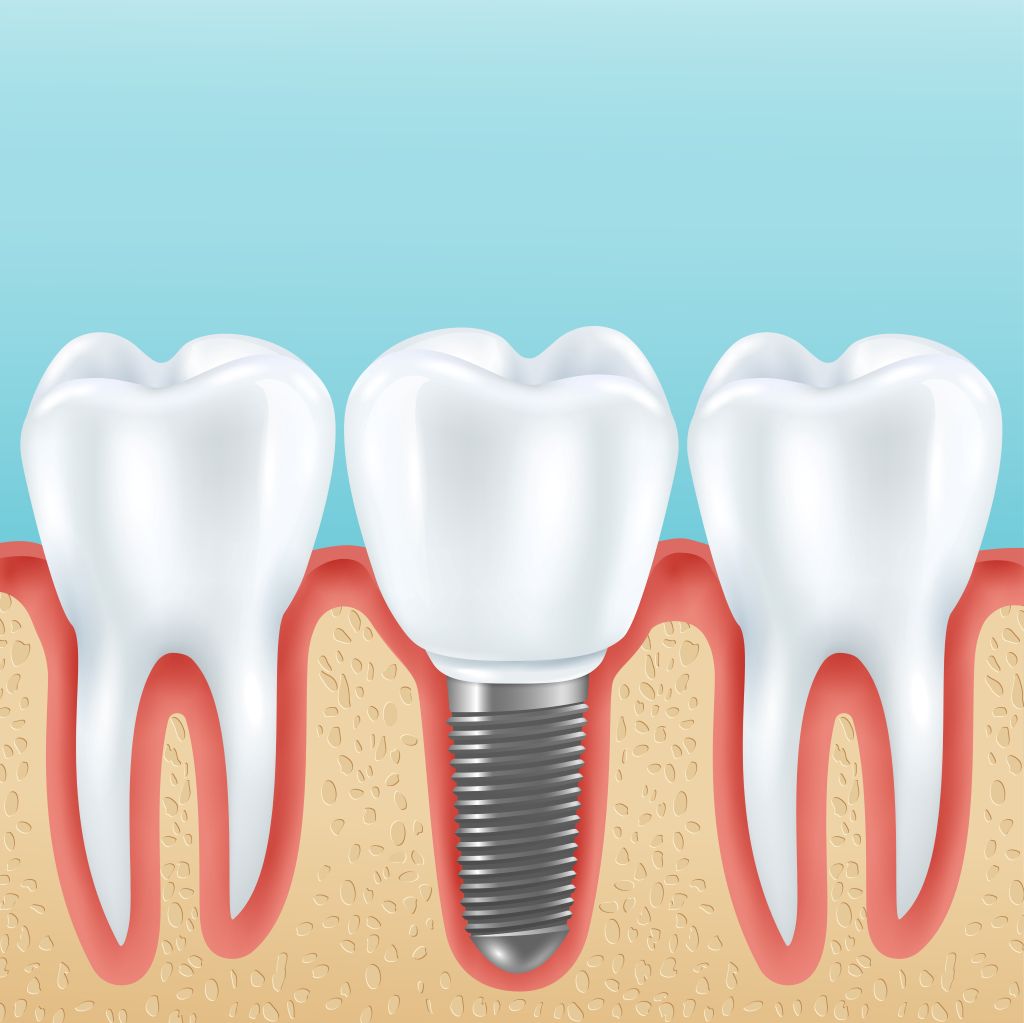
While bridges are a popular choice, there are different gap replacement options for missing teeth. Some people might choose a dental implant, which is a tiny metal post that acts like a root. Others might choose a partial denture if they are missing many teeth in a row.
However, many people prefer bridges because the process is faster than implants and feels more solid than a removable denture. A bridge is a middle-ground solution that offers great strength without needing a long healing time.
Caring for the New Bridge
Once the bridge is in place, it needs to be cleaned just like a real tooth. Even though the bridge itself cannot get a cavity, the natural teeth underneath the crowns can. Brushing twice a day and using a special type of floss to clean under the bridge keeps the gums healthy.
Avoiding extremely hard candy or ice can help the porcelain last for a very long time. With good care, a bridge can stay strong and beautiful for many years, allowing a person to eat, laugh, and smile without any worries.
Ready to Bring Back Your Full Smile?
A missing tooth should not stop anyone from enjoying their favourite foods or feeling confident. If there is a gap that needs fixing, professional help is just a phone call away. Our team is ready to explain every step and help find the perfect fit for any mouth. Book your appointment today.
FAQS
- How long does a dental bridge usually last?
With good brushing and flossing, these can stay in place for ten to fifteen years or even longer. Keeping the anchor teeth healthy is the most important part of making sure the bridge stays strong. - Is getting a dental bridge a painful experience?
The process is very comfortable because the area is numbed before any work begins. Most people say it feels similar to getting a standard filling - Can a bridge be used if more than one tooth is missing?
Yes, bridges can be designed to fill a gap of two or more teeth in a row. As long as the teeth on either side of the space are strong and healthy enough to act as anchors, a bridge can span the distance to restore the smile. - How does a person clean under the artificial tooth?
Since the bridge is connected to other teeth, a special tool called a floss threader or a tiny brush is used to reach the space underneath.