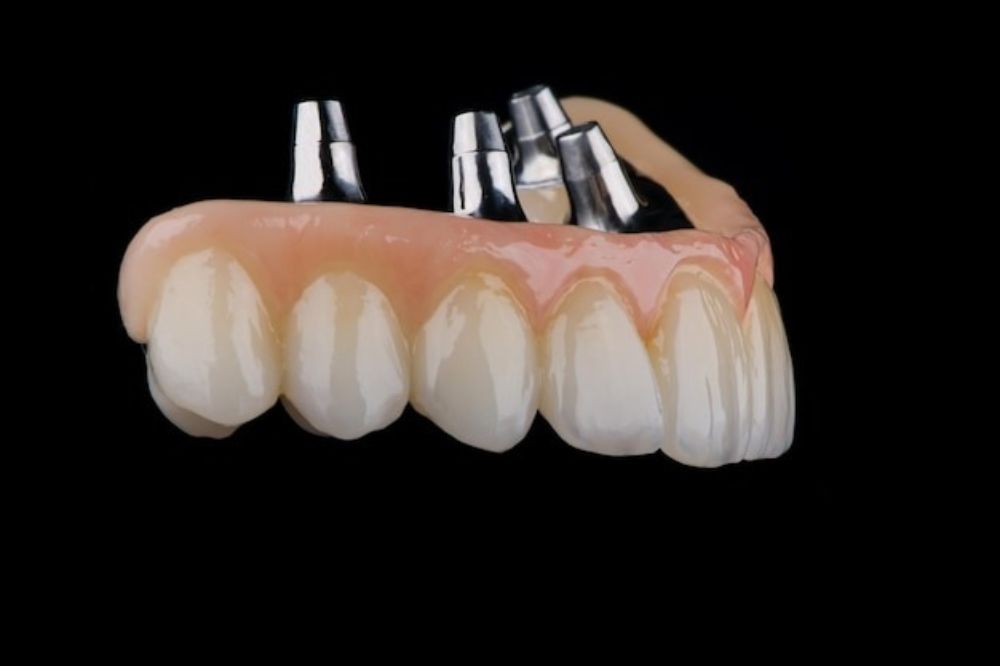
Eating with a dental bridge may feel strange at first, but it can get easier with time. A bridge fills the gap left by missing teeth and helps you bite and chew food. At first, you may need to change the foods you eat based on your bridge and your dentist’s advice. Dental bridges in Leduc can help you chew more easily. To protect your bridge, start with soft foods, take small bites, and chew slowly. As you get used to the bridge, you can try other foods as your dentist advises. Knowing which foods to eat and which to avoid can help keep your bridge in good shape and make eating more comfortable.
What Foods Can You Eat With a Dental Bridge?
Once a dentist near you confirms that you can chew normally, most everyday foods can be part of your diet. Start with foods that are easy to bite and chew, especially during the adjustment period.
Good foods to eat with a dental bridge include:
- Soft fruits: Bananas, ripe peaches, and soft pears.
- Cooked vegetables: Soft carrots, squash, and green beans.
- Protein foods: Eggs, soft fish, tofu, and tender chicken.
- Grains: Oatmeal, soft rice, pasta, and well-cooked cereals.
- Dairy foods: Yogurt, soft cheese, and milk.
Cut your food into small pieces and chew slowly. A dentist in Leduc can guide you on how to eat comfortably based on your bridge and the health of your other teeth.
Which Foods Should You Avoid With a Dental Bridge?
Some foods can place too much pressure on a bridge, causing it to loosen or become damaged. Being careful with these foods can help protect your dental work.
Try to avoid or limit:
- Hard foods: Ice cubes, hard candies, and unpopped popcorn kernels.
- Sticky foods: Chewy caramels, toffee, and very sticky sweets.
- Very tough foods: Tough cuts of meat that require forceful chewing.
- Foods that need a strong bite: Hard nuts or biting directly into hard fruits and vegetables.
You may not need to avoid every firm food forever. The key is to avoid biting down too hard and to follow the care instructions provided for your bridge.
When Can I Eat Hard Foods After a Dental Bridge?
The answer to “When can I eat hard foods after a dental bridge?” depends on the type of bridge and your treatment stage. After a permanent bridge is fitted, some people can return to their usual diet fairly soon, while others need more time to adjust. If a temporary bridge has been placed, extra care is important because it may be less secure than the final restoration.
Follow these tips:
- Choose soft foods at first if chewing feels uncomfortable.
- Avoid hard, crunchy, or sticky foods until your dentist says they are suitable.
- Increase food firmness gradually as you become comfortable.
- Do not force yourself to chew through pain or pressure.
If biting remains painful or the bridge feels loose, contact your dentist for an assessment rather than adjusting your diet to accommodate the problem.
How Can You Protect Your Dental Bridge While Eating?
Daily habits can help reduce stress on the bridge and keep the supporting teeth healthy.
- Cut food into smaller pieces instead of biting into large portions.
- Chew carefully and avoid using the bridge to crack or crush hard foods.
- Clean between the bridge and gums using tools recommended by your dental professional.
- Brush twice daily with fluoride toothpaste.
- Attend regular dental checkups to check the bridge and the teeth supporting it.
Food can collect beneath a bridge, so cleaning underneath it is important. A dentist in Leduc can show you how to use a floss threader or another suitable cleaning aid.
What Should You Do if Chewing Feels Uncomfortable?
It may feel a little different when you first get a dental bridge as your mouth gets used to it. However, do not ignore pain that does not go away, changes in your bite, swollen gums, or a loose bridge.
If chewing hurts, try these steps:
- Eat soft foods for a few days.
- Avoid foods that cause pain when you chew.
- Do not try to move, remove, or fix the bridge yourself.
- Visit your dentist if the pain continues or the bridge feels loose.
A well-fitting bridge should help you chew without ongoing pain. If you are looking for dental bridges near you and your bridge causes lasting pain or feels like it has moved, see a dentist to have it checked.
Enjoy Meals With Confidence and Proper Bridge Care!
A dental bridge can help restore chewing function, but good eating habits and daily cleaning are important for keeping it in good condition. At Trinity Family Dental Leduc, you can discuss any concerns about eating, learn how to care for your bridge, and get guidance suited to your dental needs. Book your appointment today to protect your smile and get the support you need to eat comfortably.
FAQs
Can you chew gum with a dental bridge?
Chewing gum may place stress on a bridge, and sticky gum can cling to dental work. It is safer to ask your dentist whether chewing gum is suitable for your specific bridge.
Can a dental bridge break while eating?
Yes, a dental bridge can crack, chip, or become loose if you bite down on something too hard. Avoid chewing ice, hard candy, or other hard foods. If your bridge breaks or gets damaged, contact your dentist.
Why does food get stuck under a dental bridge?
Food can get stuck in the small space under the replacement tooth. Clean under your bridge every day to remove food and keep the area clean.
How long does it take to get used to eating with a dental bridge?
It may take a little time to get used to eating with a dental bridge. Chewing may feel strange at first, but it usually gets easier as you adjust. If you still have pain or trouble chewing, visit your dentist.